


Blog / 2026 Chevrolet Equinox

Why the 2026 Chevrolet Equinox Is the Perfect Everyday SUV for Families and Commuters

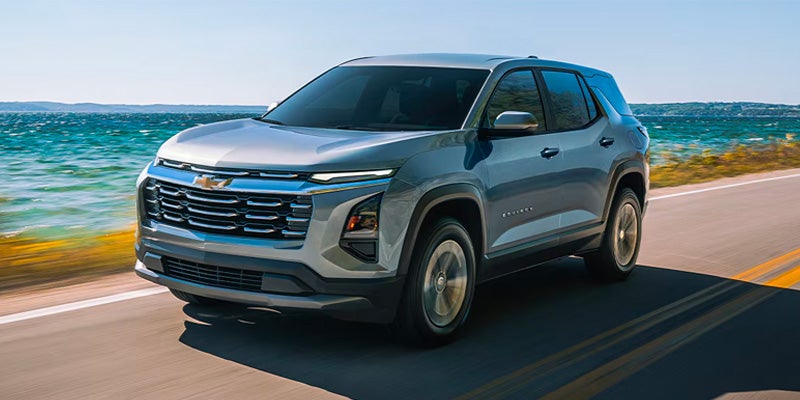
Chevrolet Equinox SUV driving along coastal road with ocean view
The 2026 Chevrolet Equinox checks a lot of boxes for drivers who need a vehicle that can keep up with real life. Whether you're running kids to school in Sparta, TN, commuting to work, or heading out for a fall weekend getaway through the Tennessee hills, this Chevy SUV is designed to handle it all. Let's take a closer look at what makes the Equinox such a practical, well-rounded choice.

Room for the Whole Family

The 2026 Chevrolet Equinox seats up to 5 passengers comfortably. Front passengers enjoy heated seats standard on select trims, and the cabin is designed to give everyone enough space to settle in for longer drives. With an overall length of just over 15 feet, the Equinox feels substantial without being difficult to park or maneuver in tight spaces.

Cargo Space That Works as Hard as You Do

One of the most practical strengths of the Equinox is its versatile cargo area of maximum of 63.5 cu.ft. with the rear seats folded down. The rear storage is well-designed to handle everything from grocery runs to weekend luggage - a real plus when you're packing for a fall road trip through places like Fall Creek Falls or the Cumberland Plateau near Sparta, TN. If you need room for a stroller, sports gear, or camping supplies, the Equinox delivers useful, accessible space.

Technology That Keeps You Connected

The 2026 Chevrolet Equinox features an 11.3-in infotainment touchscreen at the center of the cabin. It supports Apple CarPlay® and Android Auto™ compatibility, so you can access your apps, music, and navigation seamlessly. Available wireless phone charging and OnStar connectivity add even more convenience to daily commutes and longer drives alike. For 2027, an available interior camera adds an extra layer of awareness - and the platform carries much of that tech DNA forward.

Drivetrain Options for Any Road Condition

The Equinox is powered by an efficient 1.5L turbocharged engine producing 175 hp and 203 lb.ft. of torque. For drivers who want added traction in wet or slippery conditions, all-wheel drive is available on select trims. That's a welcome option for navigating Tennessee back roads after an autumn rain. When properly equipped, the Equinox can also tow up to 1,500 lbs, adding a bit of extra utility for weekend adventures.

Safety Features You Can Count On

The 2026 Chevrolet Equinox comes loaded with more than 15 standard safety and driver assistance features. These include Automatic Emergency Braking, Front Pedestrian Braking, Lane Keep Assist with Lane Departure Warning, Forward Collision Alert, Following Distance Indicator, and IntelliBeam® automatic high beams - all part of the standard Chevy Safety Assist package.

Available features like HD Surround Vision, Rear Cross Traffic Braking, and a Rear Camera Mirror give drivers even more peace of mind, whether navigating school pickup lines or merging onto the highway.

Fall Road Trips Start Here

Drivers in Sparta, TN, are lucky to have some of Tennessee's most scenic fall driving right in their backyard. The 2026 Chevrolet Equinox is built to make those drives more enjoyable - comfortable seating, an easy-to-use infotainment system, confident all-wheel drive capability, and a practical cargo area that handles whatever you bring along.

If you're ready to explore the Equinox in person, come and see the team at Edd Rogers Chevrolet or visit us online at eddrogerschevy.net to view inventory and find the trim that fits your lifestyle.
Posted in:

Recommended Posts

Everything You Need to Know About an Oil Change

Everything You Need to Know About an Oil Change

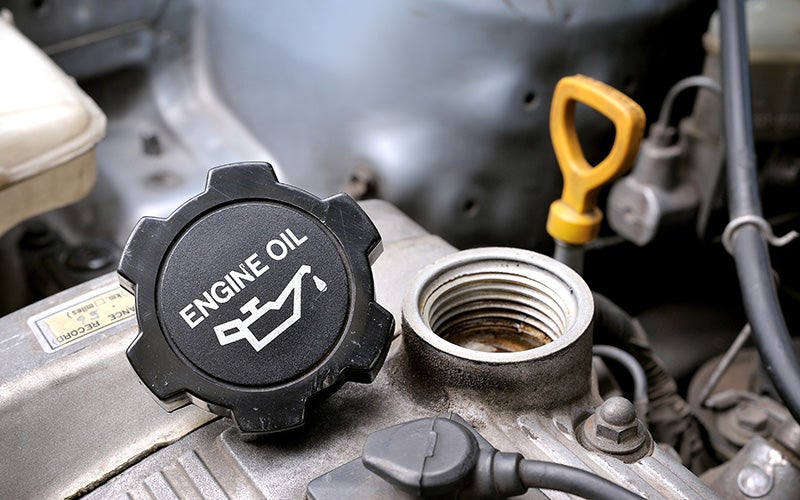
Why Oil Changes Are Essential for Your Vehicle Maintaining your engine guarantees a smooth ride and long-lasting performance. At Edd Rogers Chevrolet in Sparta, TN, we know that routine oil changes serve as the best defense against engine wear. We encourage you to reach out to our service team to learn more about protecting your investment. Your engine consists of moving metal parts operating at high speeds. Proper lubrication prevents these parts from grinding and wearing down. Delaying this vital service causes sludge buildup and serious engine damage. Regularly scheduling an oil change remain a simple and affordable way to protect your vehicle. What Engine Oil Actually Does Engine oil does more than simply keep parts slippery. It lubricates moving components, regulates engine temperature, and clears away accumulated debris. It also prevents internal component corrosion. Over time, oil degrades, thickens, and gathers harmful particles. Routine oil changes keep your engine running smoothly and safely. How Often You Should Change Your Oil Most modern vehicles using full synthetic oil travel between 7,500 and 10,000 miles between changes. Older vehicles or those requiring conventional oil need service every 3,000 to 5,000 miles. Always consult your owner's manual for specific manufacturer recommendations. Your Chevy might also alert you via the built-in Oil Life Monitor system when service is due. What to Do When Your Oil Light Illuminates Never ignore an illuminated oil light. Pull over safely as soon as possible and check the oil level using the dipstick. Low oil levels or a complete loss of oil pressure destroy engines in minutes. Add the correct oil and visit a service center immediately. If the light remains on after adding oil, have a technician inspect your vehicle right away. Understanding the Types of Oil Selecting the correct oil matters just as much as changing it on schedule. Conventional oil suits older or low-mileage vehicles. Synthetic oil provides superior protection, lasts longer, and performs better in extreme temperatures, making it ideal for newer Chevy models. Synthetic blend oil combines both for balanced performance. High-mileage oil protects older engines exceeding 75,000 miles with specialized additives. A qualified technician can help you determine the best option. Visit Edd Rogers Chevrolet for Your Next Oil Change Routine maintenance is simple. If you need a standard oil change or have questions about the right oil for your Chevy, the certified service team at Edd Rogers Chevrolet in Sparta, TN, is ready to assist. Drivers across the region trust us to optimize their vehicle's performance.

Brakes FAQ: Components, Controls, and Signs of Failure 

Brakes FAQ: Components, Controls, and Signs of Failure

Your vehicle's brakes are one of its most important safety systems. If you recently noticed something unusual while stopping or simply want to know what to look and listen for, this FAQ covers what you need to know about brakes - from the parts that make them work to the warning signs that something may be wrong. Drivers in Sparta, Tennessee, can always count on knowledgeable service from Edd Rogers Chevrolet to help keep their vehicles stopping safely. What Are the Main Components of a Brake System? Your brakes are made up of several components that work together every time you press the pedal. The most common setup is a disc brake system, which uses a rotor, caliper, and brake pads. The rotor is a flat, round metal disc that spins with the wheel. The caliper squeezes the brake pads against the rotor to slow the vehicle down. What Controls the Brakes? Your brake system relies on both mechanical and hydraulic components to function. When you press the brake pedal, it activates the master cylinder, which pushes brake fluid through the brake lines to each wheel. This hydraulic pressure is what causes the calipers to engage the pads and rotors. Many vehicles also include a brake booster, which uses engine vacuum or electrical power to reduce the effort needed to press the pedal. Anti-lock braking system components, including wheel speed sensors and a control module, help prevent wheel lockup during hard stops. What Is the Role of Brake Fluid? Brake fluid is the lifeblood of your hydraulic brake system. It transfers the force from the master cylinder to the calipers at each wheel. Over time, brake fluid can absorb moisture, which lowers its boiling point and reduces effectiveness. Most manufacturers recommend inspecting and flushing brake fluid at regular intervals to maintain consistent stopping performance. What Are Common Signs of Failing Brakes? Recognizing the early signs of brake wear is very important, so you can head off any problems before they get bigger and require more expensive repairs. Squealing or squeaking sounds when stopping are often the first signal that your brake pads are wearing thin. Many pads include a small metal indicator designed to make noise when it's time for a replacement. A grinding noise typically means the pads have worn down completely, and metal is contacting the rotor. A soft or spongy pedal can point to air in the brake lines or low fluid levels. If your vehicle pulls to one side while braking, a sticking caliper or uneven pad wear may be the cause. Are There Other Warning Signs I Should Watch For? Beyond noise and pedal feel, there are a few other signals worth noting. A vibrating or pulsing sensation through the brake pedal often indicates warped rotors. A burning smell after driving in stop-and-go traffic can suggest overheated brakes. Also, don't ever ignore a dashboard warning light, such as a brake system or ABS indicator. If you notice any of these signs, having the system inspected promptly is the safest course of action. Visit Us for Brake Service in Sparta, TN Understanding your brakes and the components that make up the system puts you in a better position to catch problems early and keep your vehicle safe. From brake pads and rotors to fluid checks and hydraulic components, each part of the system needs regular attention. If your vehicle is showing any of the warning signs covered in this FAQ, don't wait to have it looked at. Stop by Edd Rogers Chevrolet serving Sparta, Tennessee, and let our service team help get your brakes back in top condition. Visit us at eddrogerschevy.net to schedule your appointment.